Conflicting views on the crossover point of large Western Electric horns such as the 12a, 15a or 16A are deeply rooted in how they were originally used. In early cinema applications, these horns were often run close to full range, covering—on good days—roughly 80 Hz to 5 kHz. This bandwidth matched the limitations of early optical soundtracks and prioritized intelligibility, scale, and projection over extended frequency extremes.
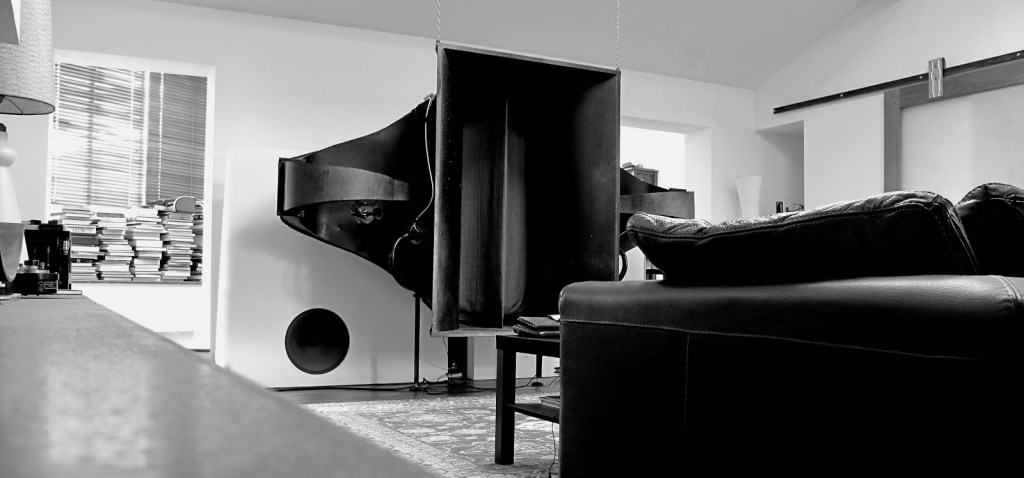
The easy position today is to say that because this approach is original, it is therefore correct, and that operating down to 80 Hz is both authentic and acceptable. In the context of contemporary recordings—with their vastly extended frequency range, higher dynamic demands, and sustained low- and high-frequency energy—this assumption deserves closer scrutiny. This belief often extends further, to the use of original crossover designs developed in the second half of the 20th century, applied unchanged to recordings with entirely different spectral balance, dynamics, and production characteristics. Running such large horns that low introduces challenges: increased diaphragm excursion, higher distortion, reduced headroom, and greater sensitivity to room loading. What worked well for speech and early soundtracks does not automatically translate to modern music reproduction.
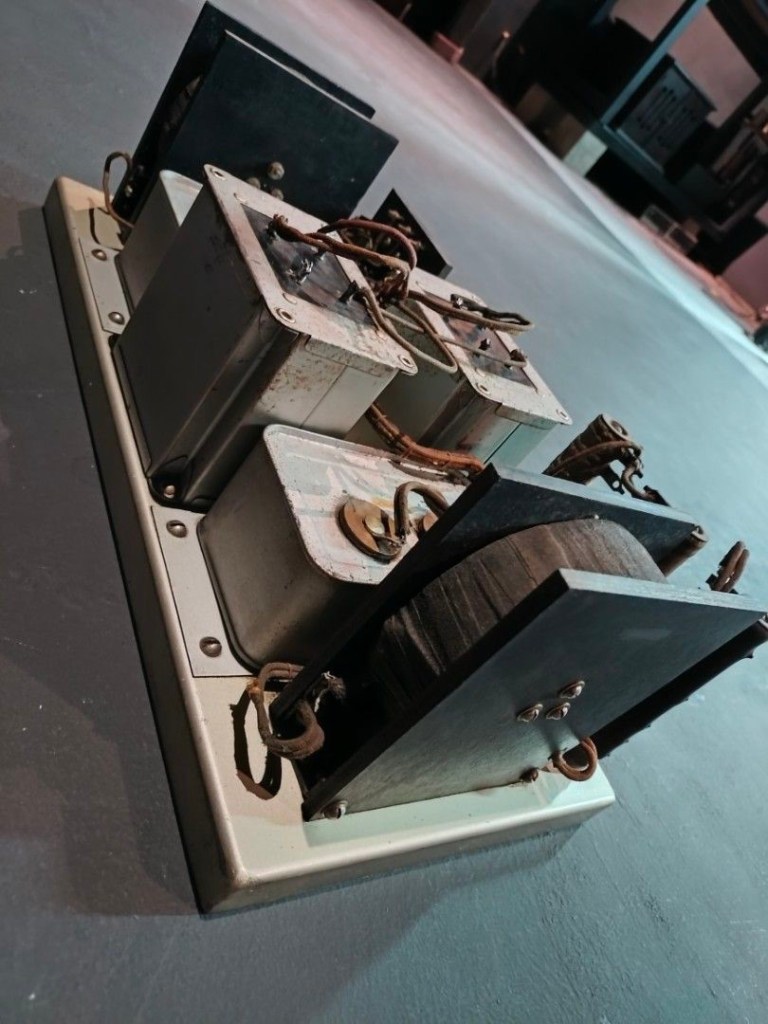
I’ve been playing with crossover points, design and amplification for quite some time now and reached what I felt is a balance between the natural extension of the large horns and the frequency extremes expected from contemporary reproduction. This setup is coherent and musically convincing, allowing the horns to express their character without being pushed too far, while extending bandwidth in a controlled way.
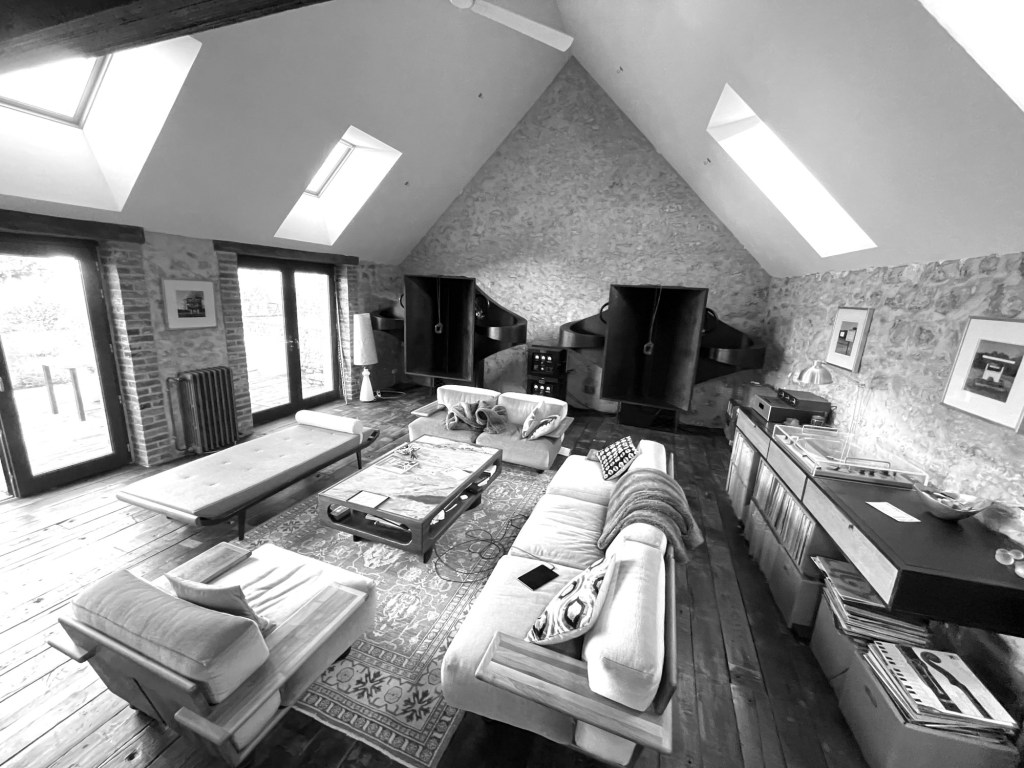
That said, I’ve decided to start all over again. This means ripping up the current blueprint—even if it works—and rebuilding the approach from the ground up. Not because something is wrong, but because there may still be further improvements to uncover. Sometimes progress requires letting go of what feels settled, listening again with fresh ears, and seeing where these very special systems can evolve next.
All fun…
 13Audio
Hi Tim,
Happy New Year – and, thank you, as always, for these inspiring posts. Beautiful photos and stunning work!
Regards, Gary
Gary Schultz 925.639.0210 gary_schultz@icloud.com
>